When you’re curating a gift hamper that’s as sweet as a sunrise over the Australian bush, the honey you choose can make or break the experience. You might think any jar will do, but local Australian honey carries a flavour profile that’s unmistakably down‑under and supports the very bees that make it possible. In this guide we’ll walk through the process of locating reputable suppliers, assessing their products, and turning those golden drops into a standout gift. Ready to buzz into the world of honey sourcing? Let’s get started.
Why Local Australian Honey Matters
Picture a spoonful of honey that tastes like eucalyptus, lemon myrtle, or the dusty plains of the Outback. That’s the magic of local honey. It’s fresh, it’s authentic, and it tells a story that a generic import can’t match. From a marketing perspective, a hamper featuring local honey signals care for community and sustainability—values that resonate with today’s conscious consumer.
> “Honey is nature’s own sweetener, and when it’s local, it’s also local love.” – Australian Beekeepers Association
You might ask: Why bother with the extra effort? Because local honey:
- Showcases unique floral notes that reflect Australia’s diverse ecosystems. Reduces carbon footprint by cutting down on long‑haul shipping. Supports regional beekeepers and preserves native pollinator populations.
If you’re aiming for a hamper business gift hampers that feels personal and purposeful, local Australian honey should be front and centre.
Researching Potential Suppliers
Finding the right supplier is like hunting for the perfect piece of gear for a hiking trip—you need a reliable map, a clear trail, and a sense of direction. Here’s how to map the honey landscape:
1. Start with Online Directories
- Beekeepers Australia – A national directory of registered beekeepers. Honey Australia – Features a list of certified local producers. Local Farmers’ Markets – Many sellers now offer wholesale options.
2. Check Certifications and Standards
- Australian Certified Organic – Guarantees no synthetic additives. Fair Trade Certified – Ensures ethical sourcing practices. Honey Health & Safety Standards – Confirms the product is safe for consumption.
3. Look for Regional Specialty
- Tasmanian Manuka – Known for antimicrobial properties. Queensland Lemon Myrtle – Offers a citrusy, herbaceous flavour. South Australian Eucalyptus – Provides a smoky, woody undertone.
By narrowing down to regional specialties, you’ll be able to pick a honey that complements the rest of your hamper’s theme.
Evaluating Honey Quality
Once you’ve identified a few suppliers, it’s time to taste the difference. Quality assessment goes beyond a quick sniff; it’s a sensory and scientific process.
Sensory Check
- Colour – Ranges from pale amber to deep brown; darker often means more robust flavour. Texture – Should be smooth and pourable; crystallisation indicates age, which isn’t always a bad thing. Aroma – Look for floral or herbal notes that hint at the honey’s floral source.
Lab Tests
- Sugar Profile – High glucose and fructose ratios suggest natural sweetness. Contaminant Levels – Must be below the Australian Food Standards Authority limits. Pollen Analysis – Confirms the honey’s botanical origin.
Supplier Transparency
Ask for a product information sheet hamper specials that includes:
- Harvest date Region of origin Beekeeper’s name and contact Processing method (raw, filtered, heated)
If a supplier can’t provide clear answers, it’s a red flag. Transparency builds trust—essential when you’re putting a product on someone else’s table.
Building Relationships with Suppliers
Once you’ve found a honey that tickles your taste buds, the next step is forging a partnership. Think of it as a long‑term friendship rather than a one‑off transaction.
- Regular Communication – Keep in touch about seasonal availability and pricing. Feedback Loop – Share customer responses; it helps the beekeeper refine their product. Exclusive Deals – Negotiate volume discounts or custom packaging for your hampers.
A strong relationship often yields better prices, priority access to limited‑edition honey, and the insider scoop on upcoming trends.
Packaging and Presentation
The way honey is presented can elevate a hamper from ordinary to extraordinary. Here are some tips to keep the honey shining:
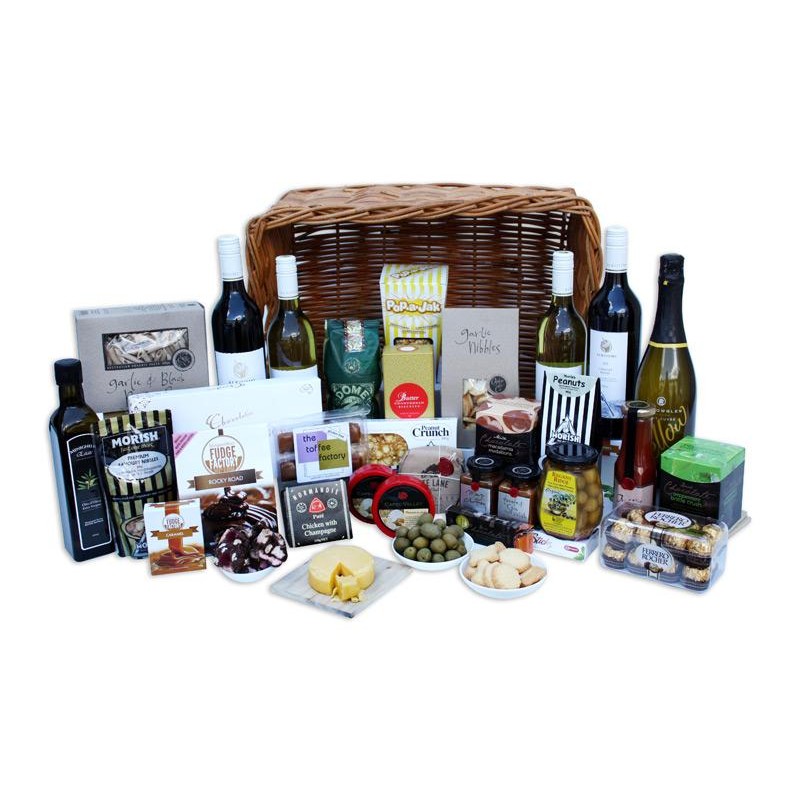
- Glass Jars with Wooden Lids – Adds a rustic, premium feel. Custom Labels – Include the beekeeper’s story, floral notes, and a QR code linking to a video of the bees at work. Honey Dippers – A small wooden spoon or stick that doubles as a decorative element.
Remember, the packaging should reflect the honey’s natural elegance. A minimalist design often lets the golden product take centre stage.
Logistics and Cost Considerations
Even the best honey can be hampered by logistical hiccups. Keep these points in mind:

- Lead Time – Some suppliers need a month or more to ship bulk orders. Shipping Costs – Bulk packaging reduces per‑unit cost, but consider local delivery to cut down on carbon. Customs and Import Fees – If you’re sourcing from overseas, be prepared for additional charges.
A quick cost‑benefit analysis can help you decide whether to go local or look at nearby international options, but for a truly Australian hamper, local honey wins the taste test.
A Quick Anecdote
When I first tried to source honey for a corporate gift hamper, I ordered from a supplier in Queensland. The first jar arrived a week late, and the honey had a strange, metallic taste. After a call, the beekeeper admitted they’d used a new processing method that didn’t quite work. We switched to a small Tasmania producer instead, and the difference was night and day. The recipients raved about the “rich, earthy” flavour that reminded them of a summer afternoon in the bush. Moral of the story? When you’re in doubt, ask for a sample before committing to a full order.
The Perfect Gift Awaits
Finding suppliers that provide local Australian honey for hampers isn’t just about sourcing a sweet treat; it’s about crafting an experience that speaks volumes. By researching reputable suppliers, evaluating quality, and building lasting relationships, you’ll deliver a hamper that’s not only delicious but also ethically sound and deeply Australian.
Ready to sweeten your next gift? Start by reaching out to a local beekeeper today, and let the honey do the talking.