When a boutique gift shop or a corporate gifting Free shipping hampers company rolls out a new hamper, the first thing customers notice is the first impression—the neatness of the arrangement, the scent of fresh linens, the sparkle of a crystal vase. Behind that polished look lies a secret recipe: a systematic approach to quality control checks for hamper items. In this guide, we’ll walk through the practical steps, sprinkle in a touch of humor, and answer the big question: How to implement quality control checks for hamper items?
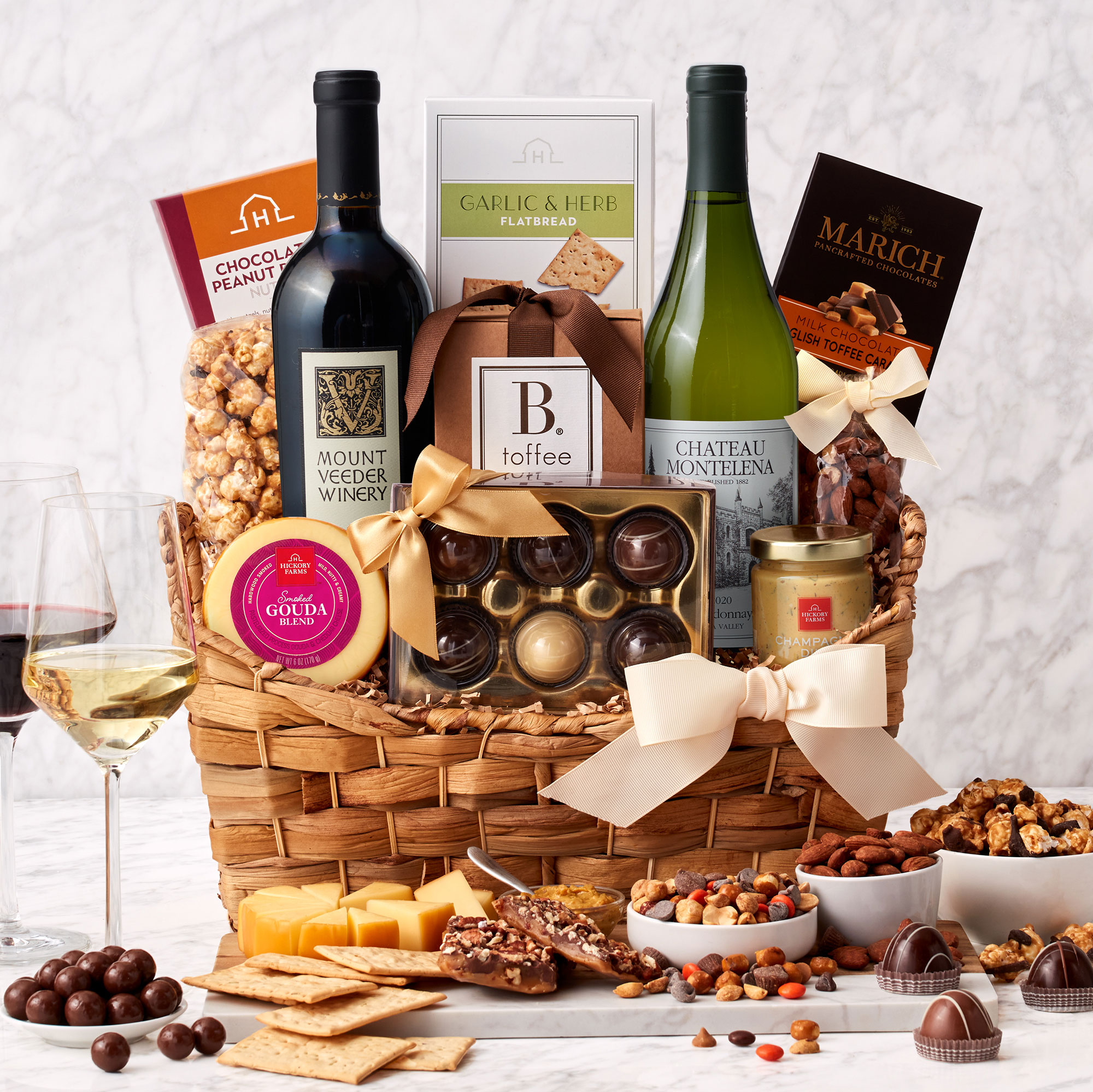
Understanding the Hamper Landscape
A hamper isn’t just a basket; it’s a curated experience. From artisanal chocolates to hand‑woven towels, each component plays a role in the overall narrative. Knowing the types of items you’ll handle is the first step in designing a robust QC system.
Common Item Categories
- Edibles: chocolates, dried fruit, gourmet snacks Textiles: towels, bathrobes, decorative throws Accessories: candles, soaps, small kitchen gadgets Packaging: baskets, wrapping paper, ribbons
Each category has its own set of potential defects—cracked glass, uneven stitching, or expired food.
Why Quality Control Matters
Imagine a customer opens a hamper only to find a chocolate bar with a missing wrapper. The disappointment can ripple across reviews, social media, and brand perception. Quality control isn’t just a checkbox; it’s the safeguard that keeps your reputation intact.
> “Quality is never an accident; it is always the result of high intention, sincere effort, intelligent direction, and skillful execution.” – John Ruskin
**Rhetorical Question: Isn’t it better to spend a few extra minutes checking than to pay the price of a dissatisfied customer later?
Building a QC Framework
Creating a QC process for hamper items involves three pillars: Inspection , Documentation , and Continuous Improvement . Let’s break each down.
Inspection: The First Line of Defense
Visual Check- Look for visible defects: cracks, stains, missing pieces. Use a checklist tailored to each item type.
- For items that move (e.g., a wooden spoon), ensure they operate smoothly. For consumables, verify expiration dates and packaging integrity.
- Smell the scented items; feel the softness of textiles. A quick sniff can catch spoilage before it reaches the customer.
Documentation: Keeping the Record Straight
- Digital Forms : Use tablets to record findings in real time. Barcode Scanning : Attach a barcode to each item; scanning verifies the item matches the checklist. Photographic Evidence : Snap a quick photo of any defect; it’s proof for the next steps.
Continuous Improvement: The Feedback Loop
- Root Cause Analysis : When a defect slips through, dig deep—supplier issues? Packaging mishap? Supplier Audits : Share findings with vendors to prevent recurrence. Employee Training : Update training modules based on lessons learned.
Practical QC Checks for Each Item Type
Edibles
| Check | Why It Matters | How to Do It |
|-------|----------------|--------------|
| Expiration Date | Prevents spoilage | Read the date on the packaging; confirm with barcode data |
| Packaging Integrity | Avoids contamination | Inspect seals, wrappers, and box condition |
| Taste Test (Optional) | Ensures flavor consistency | Taste a sample from the batch (if feasible) |
Textiles
| Check | Why It Matters | How to Do It |
|-------|----------------|--------------|
| Stitching Quality | Prevents unraveling | Run a finger along seams; look for loose threads |
| Color Fastness | Maintains visual appeal | Lightly rub fabric with a cotton swab; check for color bleed |
| Softness | Enhances customer experience | Feel the fabric; it should be plush, not stiff |
Accessories
- Candles : Check for uneven wax, loose wicks, and proper labeling. Soaps : Verify fragrance, texture, and packaging seals. Gadgets**: Test battery life, button responsiveness, and packaging safety.
Training the Team: From Novice to Quality Hero
Quality control is only as good as the people performing it. A light-hearted anecdote: When our new assistant first tried to "inspect" a chocolate bar by tapping it, we had to explain that the bar needed to be looked at, not sounded. Humor aside, proper training is essential.

- Hands‑on Workshops: Let staff practice inspecting real items. Standard Operating Procedures (SOPs): Create clear, step‑by‑step guides. Regular Refreshers: Quarterly reviews keep standards sharp.
Leveraging Technology
Automation can turn tedious checks into seamless processes.
- QR Codes: Scan to pull up the item’s QC checklist instantly. Mobile Apps: Record findings, upload photos, and generate reports on the go. AI Image Recognition: Spot defects like cracks or discoloration in real time.
By integrating tech, you reduce human error and speed up the workflow—think of it as giving your QC team a “superpower” that keeps the hamper’s integrity intact.
The Human Touch: Balancing Automation and Empathy
Even the most advanced system can’t replace a seasoned eye. Encourage staff to trust their instincts: if something feels off, flag it. A quick question to ask yourself: Does this item feel like it belongs in a premium hamper? A simple yes or no can prevent a cascade of quality issues.
Making Your Selection Count
You’ve built a process, trained your team, and integrated tech. Now it’s time to put everything into action. Remember, the goal isn’t perfection—there will always be a tiny flaw—but consistency. By implementing rigorous quality control checks for hamper items, you’ll deliver packages that delight, maintain trust, and keep customers coming back for more.
https://pixabay.com/users/52793334/* Call to Action:* Start today by drafting a simple QC checklist for your most common hamper item. Share it with your team, run a pilot, and watch the quality—and your customers’ smiles—grow.